Friday, November 22, 2024

Free Houseboat Plans for Lightweight, Easy-to-Transport Boats

Free Houseboat Plans for Lightweight, Easy-to-Transport Boats

Free Houseboat Plans: Lightweight, Easy-to-Transport Boats

Have you ever dreamt of living on the water, traveling to new destinations, and waking up to breathtaking views? While the allure of a traditional houseboat can be enticing, the complexity and cost of building a large, permanent structure can be daunting. What if there was a way to enjoy the freedom of a houseboat without the hefty price tag and construction headaches? Enter the world of lightweight, easy-to-transport houseboats, designed to be both affordable and portable.

The beauty of these compact, minimalist designs lies in their versatility. They can be towed behind a car, easily moved between lakes or waterways, and stored on land when not in use. This makes them perfect for weekend getaways, short-term living, or even long-term travel if you're seeking a more nomadic lifestyle.

The best part? You can build your dream houseboat from scratch using free plans available online. These plans provide detailed blueprints, material lists, and construction guides, allowing you to save money and gain a sense of accomplishment as you build your own floating home.

Why Choose a Lightweight, Easy-to-Transport Houseboat?

Lightweight, easy-to-transport houseboats offer several advantages over their larger counterparts:

  • Lower Cost: They require less material, making them more budget-friendly to build.
  • Easy Transportation: They can be towed behind a car, eliminating the need for specialized transport.
  • Portability: You can easily move them between locations, allowing you to explore different waterways.
  • Minimalist Design: This forces you to prioritize what's essential, creating a sense of space and simplicity.
  • Environmental Impact: The smaller size and lightweight construction contribute to a lower environmental footprint.

Types of Free Houseboat Plans

There are several types of free houseboat plans available online, catering to different needs and preferences. Some popular designs include:

  • Pontoon Houseboats: These use pontoons for buoyancy, offering stability and a spacious layout.
  • Cabin Cruiser Houseboats: These are smaller, streamlined designs that resemble small cabins, ideal for couples or solo travelers.
  • Floating Tiny Houses: These miniature homes are designed for minimalist living on the water, emphasizing sustainable practices.

Where to Find Free Houseboat Plans

Numerous websites and online communities offer free houseboat plans. Some excellent resources include:

  • Instructables: This website features a vast library of DIY projects, including several houseboat plans with detailed instructions and photos.
  • YouTube: Search for "DIY houseboat plans" or "lightweight houseboat build" to find tutorials and walkthroughs from experienced builders.
  • Houseboat Forums: Participate in online forums dedicated to houseboating, where you can find shared plans, advice, and support.

Tips for Choosing the Right Plan

Before diving into a project, carefully consider these factors:

  • Your Budget: Determine how much you can realistically spend on materials and construction.
  • Desired Size and Features: Decide on the size, layout, and amenities you need to enjoy your houseboat.
  • Skill Level: Assess your woodworking and construction skills to choose a plan that suits your capabilities.
  • Transportation: Consider the size and weight of the houseboat to ensure you have a vehicle that can tow it.
  • Local Regulations: Check with your local authorities about boating regulations and permits before construction.

Building Your Own Lightweight Houseboat

Building a houseboat is a challenging but rewarding project. Take your time, follow the plans meticulously, and don't hesitate to seek help from experienced builders or online communities.

Remember, with free houseboat plans, the sky's the limit. You can create a floating oasis that perfectly reflects your vision, taking you on adventures and providing a unique and fulfilling lifestyle.

Step-by-Step Wooden Canoe Plans for Beginners

Step-by-Step Wooden Canoe Plans for Beginners

Step-by-Step Wooden Canoe Plans for Beginners

Constructing a wooden canoe is a rewarding and challenging endeavor that allows you to create a beautiful and functional watercraft from scratch. This comprehensive guide provides step-by-step instructions and essential tips for beginners embarking on this exciting journey.

Choosing the Right Plans

The first step is selecting suitable plans for your canoe. Consider these factors:

  • Length and Width: Determine the size that suits your needs and intended use. Longer canoes generally offer greater speed and stability, while shorter canoes are more maneuverable.
  • Shape and Design: Choose a design that aligns with your preferences and intended paddling style. Some common styles include the classic cedar strip canoe, the lightweight birch bark canoe, and the robust oak-ribbed canoe.
  • Skill Level: Select plans that match your experience and woodworking abilities. Beginners should start with simpler designs and gradually move on to more complex ones.

Reputable sources for canoe plans include:

  • Boatbuilding Magazines: Publications like WoodenBoat and Small Boats Monthly feature plans from renowned designers.
  • Online Retailers: Websites like Glen-L Marine and Duckworks offer a wide range of canoe plans.
  • Local Woodworking Associations: Check with your local woodworking clubs or societies for recommendations and potential plan sources.

Gathering Materials and Tools

Once you have chosen your plans, gather the necessary materials and tools:

Materials:

  • Wood: Cedar, spruce, or pine are common choices for canoe construction. Select high-quality, clear wood with minimal knots.
  • Epoxy Resin and Hardener: Used for bonding wood and providing water resistance.
  • Fiberglass Cloth: Reinforces the canoe's hull and adds strength.
  • Wood Filler: Used to repair imperfections and fill gaps.
  • Paint or Varnish: Protects the wood from moisture and adds a finished look.
  • Hardware: Includes thwart supports, gunwales, seats, and other necessary fittings.

Tools:

  • Hand Tools: Saw, chisels, planes, hammer, drill, screwdrivers, clamps, and measuring tools.
  • Power Tools: Router, sander, drill press, and table saw (optional).
  • Safety Gear: Eye protection, gloves, dust mask, and ear protection.

Step-by-Step Construction Process

The construction process involves several key steps:

1. Building the Frames and Ribs:

Begin by constructing the frames and ribs that form the canoe's skeleton. Follow the plans meticulously, ensuring accurate measurements and precise cuts. Use strong wood glue and screws or bolts to assemble the frames.

2. Planking the Hull:

Attach the planks to the frames, creating the canoe's outer shell. Use epoxy resin and clamps to securely bond the planks. Be careful to align the planks properly and maintain a consistent spacing.

3. Shaping the Hull:

Once the planking is complete, shape the hull to the desired form using a variety of hand tools. Sanding and planing are essential steps to achieve a smooth and even surface.

4. Applying Epoxy and Fiberglass:

Apply a layer of epoxy resin to the hull, followed by layers of fiberglass cloth. Allow the epoxy to cure thoroughly before proceeding to the next step.

5. Filling and Fairing:

Use wood filler to repair any imperfections or gaps in the hull. Sand and fair the hull to create a smooth and even surface for painting or varnishing.

6. Installing Hardware and Fittings:

Install the seats, thwart supports, gunwales, and other hardware according to the plans. Use the appropriate screws or fasteners to ensure secure attachment.

7. Finishing the Canoe:

Sand the entire canoe to a smooth finish. Apply paint or varnish to protect the wood and enhance its appearance. Allow the finish to cure completely before launching the canoe.

Tips for Beginners

Here are some valuable tips for beginners constructing a wooden canoe:

  • Start Small: Consider building a smaller canoe or a model first to gain experience and confidence.
  • Practice Woodworking: Develop basic woodworking skills before tackling a canoe project.
  • Seek Guidance: Join a boatbuilding class or seek advice from experienced boat builders.
  • Be Patient: Building a canoe takes time and effort. Don't rush the process, and take pride in your work.
  • Enjoy the Journey: Embrace the challenges and appreciate the satisfaction of creating something beautiful and functional.

Conclusion

Constructing a wooden canoe is a challenging but rewarding project that combines craftsmanship, creativity, and a connection to traditional boatbuilding. By carefully following the plans, gathering the necessary materials and tools, and utilizing the tips provided in this guide, beginners can embark on a fulfilling journey of building their own canoe.

Wooden Duck Boat Design Tips for Waterfowl Hunting

Wooden Duck Boat Design Tips for Waterfowl Hunting

Wooden Duck Boat Design Tips for Waterfowl Hunting

For those seeking a truly authentic and timeless waterfowl hunting experience, crafting a wooden duck boat offers a rewarding challenge. These handcrafted vessels, imbued with tradition and craftsmanship, provide unparalleled stability, durability, and an intimate connection to the water. This article delves into the essential design considerations for building a wooden duck boat, aiming to equip aspiring boat builders with the knowledge to create a vessel that meets the demands of waterfowl hunting.

Hull Design and Construction

The hull design is the foundation of any duck boat, dictating its performance and stability. Here are some key factors to consider:

1. Shape and Form

The hull shape should be optimized for stability, maneuverability, and quietness. Traditional duck boat designs often incorporate a flat bottom with slightly flared sides, offering a wide and stable platform for hunting. This design allows the boat to navigate shallow waters and remain steady even when loaded with gear and hunters.

The bow should be rounded to cut through the water smoothly, while the stern may feature a shallow transom, creating a slight lift for easier maneuvering. Consider incorporating a keel, a central vertical ridge on the bottom, for improved tracking and directional stability.

2. Material Selection

The choice of wood is critical for both durability and performance. Some popular options include:

  • Cedar: Lightweight, naturally resistant to rot and decay, and readily available.
  • Redwood: Known for its durability and resistance to water damage.
  • Oak: Strong and durable, but heavier than other options.
  • Plywood: Can be a cost-effective option, but ensure it's marine-grade plywood for optimal water resistance.
  • For a more traditional look, consider using traditional boatbuilding techniques like plank-on-frame construction, where planks are attached to a framework of ribs and stringers. This method creates a durable and aesthetically pleasing hull.

    3. Structural Considerations

    To withstand the rigors of waterfowl hunting, the hull needs to be robust and reinforced. Consider these structural enhancements:

  • Keel: A central keel provides longitudinal strength and stability, essential for navigating choppy waters.
  • Frames: Ribs and stringers create the frame that supports the planks, ensuring the hull's rigidity and shape.
  • Plank Thickness: Thicker planks provide greater strength and durability, particularly in areas subject to high stress, such as the bottom and the bow.
  • Additional Reinforcement: Consider incorporating additional structural elements like bulkheads (internal walls) to increase hull stiffness and provide compartmentalization.
  • Deck and Layout

    The deck design plays a crucial role in optimizing hunting functionality and comfort.

    1. Deck Design

    A spacious deck allows ample room for hunters, decoys, and gear. The deck should be designed with a slight incline towards the bow to facilitate drainage and prevent water from pooling.

    2. Gunwales

    High gunwales provide a safe and secure standing platform, especially when hunting in rough waters. They can also be fitted with gun racks for secure storage.

    3. Seating and Storage

    Comfortable seating is essential for extended hunting trips. Built-in benches or removable seats provide a place to rest and avoid fatigue. Incorporate storage compartments beneath the seats or within the deck for holding essential gear like decoys, hunting supplies, and clothing.

    4. Decoy Well

    A dedicated decoy well, ideally located near the center of the boat, is essential for storing and deploying decoys. This well should be large enough to accommodate the desired number of decoys and accessible from both sides of the boat.

    Power and Propulsion

    Deciding on the propulsion system is essential. While many duck boats utilize outboard motors for convenience, a traditional approach involves using oars or a trolling motor.

    1. Oars

    Using oars provides a silent and efficient way to navigate, especially in shallow waters or areas where noise could spook waterfowl. Wooden oars should be sturdy and appropriately sized for the boat's dimensions.

    2. Trolling Motor

    A trolling motor offers more versatility and power for maneuvering, especially when facing strong currents or winds. Ensure the trolling motor is adequately sized for the boat's weight and capacity.

    3. Outboard Motor

    While not traditional, outboard motors can be used for greater speed and maneuverability. However, be mindful of noise levels and choose a motor with a quiet operation mode.

    Safety and Regulations

    Waterfowl hunting safety and compliance with local regulations are paramount.

    1. Stability and Capacity

    Ensure the boat's design and construction adhere to local boating safety regulations. Understand the maximum weight capacity and ensure the boat's stability is adequate for the intended use.

    2. PFDs (Personal Floatation Devices)

    All occupants must wear approved PFDs while on the water. Ensure everyone onboard is properly fitted with their own PFD.

    3. Navigation Lights

    If hunting during low-light conditions, ensure the boat is equipped with required navigation lights to maintain visibility.

    4. Fire Extinguisher

    Carry a fire extinguisher onboard for emergency situations.

    5. Whistle

    Keep a whistle readily accessible for signaling distress.

    6. Local Regulations

    Familiarize yourself with all applicable state and local hunting and boating regulations, including licensing requirements, hunting seasons, and bag limits.

    Conclusion

    Constructing a wooden duck boat is a rewarding endeavor that combines tradition, craftsmanship, and functionality. By carefully considering the design principles outlined in this article, aspiring boat builders can create a durable, stable, and aesthetically pleasing vessel that enhances the waterfowl hunting experience. Remember, meticulous planning, quality materials, and a passion for traditional boatbuilding are essential for success.

    Skiff Plans for Fast and Efficient Boat Building

    Skiff Plans for Fast and Efficient Boat Building

    Skiff Plans for Fast and Efficient Boat Building

    Skiffs, with their simple, efficient design, have long been a favorite of boat builders, both novice and experienced. These versatile craft are perfect for a variety of uses, from leisurely day trips to competitive racing. Whether you're looking to build a classic wooden skiff or a modern, lightweight version, there are numerous plans available to guide you through the process.

    This article will delve into the world of skiff plans, exploring different design considerations, construction methods, and resources available to help you build your own skiff. From understanding the key elements of a skiff design to choosing the right materials and tools, we'll provide a comprehensive overview of everything you need to know to embark on your boat building journey.

    Skiff Design Basics

    Skiffs are characterized by their shallow draft, flat bottom, and often a simple, straight stem. These features allow for excellent stability and maneuverability in shallow waters, making them ideal for exploring inlets, rivers, and coastal areas.

    Hull Shape and Form

    The hull shape of a skiff is crucial for its performance. Common hull forms include:

    • Flat Bottom: This design provides exceptional stability but can be less efficient at speed.
    • V-Bottom: A V-shaped bottom offers better performance in choppy water and allows for higher speeds.
    • Modified V-Bottom: This combines the stability of a flat bottom with the performance of a V-bottom, offering a good compromise.

    Length and Beam

    The length and beam of a skiff affect its stability, speed, and overall carrying capacity. A longer, narrower skiff will be faster but less stable, while a shorter, wider skiff will be more stable but slower. The optimal dimensions will depend on your intended use.

    Outboard Motor

    Most skiffs are powered by outboard motors, providing flexibility and ease of maintenance. The size and horsepower of the motor should be carefully considered to ensure sufficient power for your intended use.

    Choosing Skiff Plans

    With a plethora of skiff plans available, choosing the right one is essential. Here are some factors to consider:

    • Skill Level: Some plans cater to beginners, while others are designed for more experienced builders.
    • Intended Use: Consider the type of water you'll be using the skiff in, the size of the load you'll be carrying, and your desired speed and maneuverability.
    • Materials: Some plans specify particular materials, while others offer flexibility. Choose materials based on your budget, availability, and desired aesthetics.
    • Construction Method: Plans may offer different construction methods, such as stitch-and-glue, plank-on-frame, or plywood. Select the method that aligns with your skills and resources.

    Skiff Plan Resources

    Numerous resources can provide you with high-quality skiff plans. Here are some options:

    • Boat Building Magazines: Publications like WoodenBoat and Small Boats Monthly frequently feature skiff plans and articles.
    • Online Boatbuilding Forums: Websites like the WoodenBoat Forum offer a wealth of information and discussion about skiff plans.
    • Boatbuilding Websites: Many websites, such as Glen-L Marine Designs, offer a wide variety of skiff plans for purchase.
    • Boatbuilding Books: Books dedicated to boat building, including those focused on skiffs, provide detailed instructions and guidance.

    Building Your Skiff

    Building a skiff is a rewarding endeavor that allows you to create a unique and functional boat. The process can be broken down into several steps:

    Material Preparation

    Before starting construction, ensure all materials are properly prepared. This may include:

    • Cutting Plywood: Accurately cutting plywood sheets to the dimensions specified in the plans.
    • Preparing Lumber: Shaping and treating lumber for frames and other structural components.
    • Mixing Epoxy: Mixing epoxy resin and hardener according to the manufacturer's instructions.

    Assembly

    Assembly involves following the steps outlined in the plans meticulously. This typically includes:

    • Constructing Frames: Building the structural framework of the skiff.
    • Attaching Planking: Installing the planking, either by stitch-and-glue or plank-on-frame methods.
    • Adding Decks and Coamings: Constructing decks, coamings, and other structural elements.

    Finishing

    Once the hull is complete, finishing touches are added to provide protection and aesthetics:

    • Sanding and Fairing: Smoothing and shaping the hull to ensure a smooth, even surface.
    • Painting or Varnishing: Applying paint or varnish to protect the hull and enhance its appearance.
    • Installing Hardware: Installing cleats, oarlocks, and other hardware.

    Safety and Regulations

    Boat building requires a high level of attention to safety and compliance with regulations. It is essential to:

    • Follow Plans and Instructions: Adhere strictly to the plans and instructions provided.
    • Use Proper Safety Equipment: Wear safety glasses, gloves, and other appropriate protective gear.
    • Inspect Materials: Check materials for defects before use.
    • Comply with Local Regulations: Ensure your skiff meets local boating regulations, including requirements for registration, lights, and safety equipment.

    Conclusion

    Building a skiff can be an enriching experience, allowing you to create a custom boat that meets your specific needs and desires. With careful planning, meticulous construction, and attention to detail, you can build a skiff that provides years of enjoyable use on the water. Remember to choose your plans wisely, follow the instructions carefully, and prioritize safety throughout the process.

    How to Build a Dinghy: Full Instructions for First-Time Builders

    How to Build a Dinghy: Full Instructions for First-Time Builders

    Building Your First Dinghy: A Beginner's Guide

    So, you're dreaming of gliding across the water in your very own dinghy? That's awesome! Building a boat might sound daunting, but with a bit of patience and the right plan, it's totally achievable, even for a first-timer. This guide will walk you through the process, offering a friendly, conversational approach to help you navigate the build. We'll cover everything from choosing your design to the final varnish. Let's get started!

    1. Choosing Your Dinghy Design

    Before you even think about grabbing a saw, you need to pick a design. There are tons of free plans available online, but be realistic about your skills. A simple design is best for your first project. Look for plans that use straightforward construction techniques and readily available materials.

    Things to Consider When Choosing a Plan:

    • Simplicity: Choose a design with minimal curves and complex joints. A simple plywood design is a great starting point.
    • Material Availability: Make sure you can easily source the materials specified in the plans. Marine-grade plywood is ideal, but you can sometimes get away with exterior-grade if you’re careful with sealing.
    • Size and Weight: Consider how you'll transport and launch the dinghy. A smaller, lighter boat will be easier to handle.
    • Your Skill Level: Don't bite off more than you can chew! Start with a beginner-friendly design.

    2. Gathering Your Tools and Materials

    Building a boat requires specific tools. Don't skimp on quality; it will make the job much easier and safer. Here’s a basic list:

    Essential Tools:

    • Measuring Tape and Square: Accurate measurements are crucial.
    • Circular Saw or Jigsaw: For cutting plywood.
    • Drill with various drill bits: For pilot holes and fastening.
    • Screwdriver (or drill with screwdriver bits): For securing parts.
    • Clamps: Many, many clamps! You'll need these to hold parts together while the glue dries.
    • Sandpaper (various grits): For smoothing surfaces.
    • Safety Glasses and Ear Protection: Absolutely essential for protecting yourself from flying debris and loud noises.
    • Work Gloves: To protect your hands.

    Essential Materials (will vary depending on your chosen plan):

    • Marine-grade plywood: The thickness will depend on your chosen plan.
    • Wood screws (stainless steel): These resist rust and are essential for a durable boat.
    • Wood glue (exterior-grade): A good quality wood glue is vital for strong joints.
    • Epoxy resin and hardener: For sealing seams and adding extra strength.
    • Fiberglass cloth (optional): This adds extra strength and waterproofing.
    • Paint or varnish (marine-grade): To protect the wood from the elements.

    3. Building the Dinghy: A Step-by-Step Guide

    This is where the fun (and work!) begins. Follow your chosen plans meticulously. Each plan will have specific instructions, but here’s a general overview:

    Step 1: Cutting the Plywood

    Carefully cut the plywood pieces according to the plans. Use a sharp blade and take your time to ensure accurate cuts. A slightly oversized cut is better than an undersized one!

    Step 2: Assembling the Hull

    This is usually the most complex part. Carefully assemble the hull sections, using clamps to hold everything in place while the glue dries. Make sure everything aligns perfectly; this step requires patience and precision.

    Step 3: Adding the Transom and Keel (if applicable)

    These are structural elements that provide support and stability. Secure them firmly using screws and glue.

    Step 4: Adding the Seating and Other Features

    Follow your plans for building and installing any seats, oarlocks, or other features.

    Step 5: Sealing and Finishing

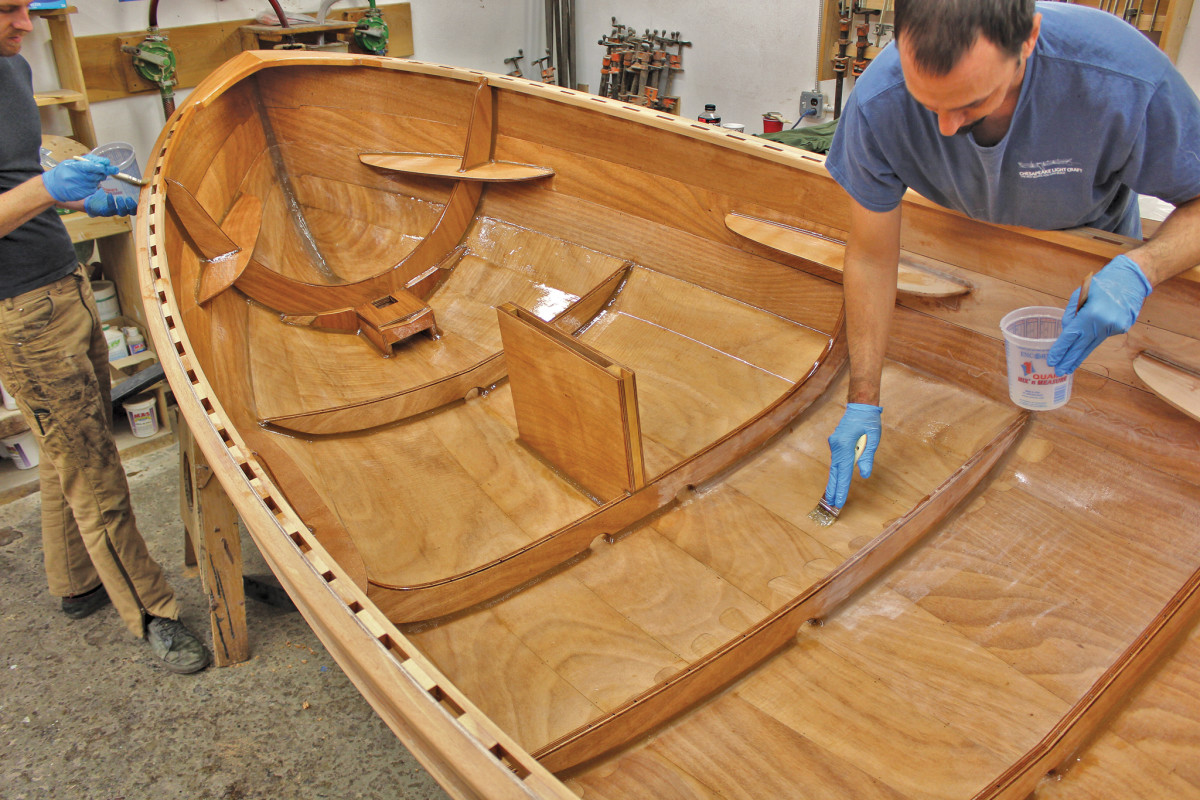
    Once everything is assembled, it’s time to seal the dinghy to protect it from water damage. Apply several coats of epoxy resin and hardener to all seams and joints. Allow ample drying time between coats. Then, apply your chosen paint or varnish, following the manufacturer's instructions. Multiple thin coats are better than one thick coat.

    4. Testing Your Dinghy

    Once the paint or varnish is completely dry, it's time for the exciting part â€" testing your creation! Start in calm water and gradually increase the conditions as you gain confidence. Remember to wear a life jacket at all times!

    5. Troubleshooting and Tips

    Building a boat is a learning experience. Don't be discouraged if things don't go perfectly smoothly the first time. Here are a few tips:

    • Read the plans thoroughly before starting.
    • Take your time. Rushing will lead to mistakes.
    • Don't be afraid to ask for help. There are many online forums and communities dedicated to boat building.
    • Celebrate your accomplishments! Building a boat is a significant achievement.

    Frequently Asked Questions

    Q: How long does it take to build a dinghy?

    A: This depends heavily on the complexity of the design and your experience. A simple dinghy could take a few weeks, while a more complex one might take several months.

    Q: What kind of wood is best?

    A: Marine-grade plywood is highly recommended for its water resistance and durability. Exterior-grade plywood can work, but requires more diligent sealing.

    Q: How much does it cost to build a dinghy?

    A: Costs vary greatly based on the materials and size of the boat. You can expect to spend anywhere from a few hundred to a few thousand dollars.

    Q: Can I build a dinghy without any prior experience?

    A: Yes, absolutely! Start with a simple design and take your time. There are plenty of resources available online to help you.

    Q: What if I make a mistake?

    A: Don't worry! Everyone makes mistakes. Sometimes it's possible to fix them, sometimes you might need to start again. The important thing is to learn from your mistakes and keep practicing.

    Building your own dinghy is a rewarding experience. With careful planning, patience, and a bit of elbow grease, you'll be enjoying your homemade boat on the water in no time! Good luck and happy building!

    DIY Duck Boat Materials: A Complete Guide to Building Your Own Boat

    DIY Duck Boat Materials: A Complete Guide to Building Your Own Boat

    DIY Duck Boat: A Complete Guide to Building Your Own

    Building your own duck boat is a rewarding project that allows you to create a custom vessel perfectly suited to your needs. Whether you're a seasoned hunter or a novice looking to explore the waterways, this guide will walk you through the process, from choosing materials to launching your creation.

    Choosing the Right Materials

    The first step is selecting materials that will withstand the rigors of hunting and provide a stable, reliable platform. Here are the key considerations:

    Hull Material

    The hull is the backbone of your duck boat, so choosing the right material is crucial. Here are some common options:

    • Aluminum: Lightweight, durable, and corrosion-resistant, aluminum is an excellent choice for duck boats. It's easy to work with and can be readily repaired.
    • Fiberglass: This material offers exceptional durability and can be molded into complex shapes. However, fiberglass can be heavier than aluminum and requires more specialized tools and techniques.
    • Plywood: While less common for duck boats, plywood can be used to create a lighter hull, especially if you plan to use a thin layer of fiberglass or epoxy resin for reinforcement.

    Deck Material

    The deck is the platform where you'll stand and move around. Consider these factors:

    • Wood: Marine-grade plywood or pressure-treated lumber are good choices for a stable and durable deck. Be sure to seal the wood with waterproof coatings.
    • Aluminum: Aluminum decking can offer a sleek, modern look and is easy to maintain.
    • Composite Materials: These materials are lightweight and durable but can be more expensive than traditional options.

    Other Components

    Beyond the hull and deck, you'll need to consider other essential components:

    • Seats: Choose comfortable and secure seats with adequate back support.
    • Motor Mount: If you're using an outboard motor, ensure you have a sturdy and properly sized motor mount.
    • Storage: Include compartments for your gear, hunting supplies, and other necessities.
    • Hardware: Use marine-grade hardware, such as screws, bolts, and hinges, to resist corrosion.

    Design and Construction

    Once you've chosen your materials, it's time to design and build your duck boat. Here's a breakdown of the process:

    Design

    Create a detailed plan that includes dimensions, layout, and features. Consider factors such as:

    • Length: A smaller boat is easier to maneuver in tight spots, while a larger boat provides more space for gear and passengers.
    • Width: A wider beam offers greater stability, but it can make navigation in narrow channels more challenging.
    • Draft: The depth of the boat in the water, known as the draft, should be shallow enough to navigate in shallow water.
    • Freeboard: The height of the side above the waterline, referred to as the freeboard, should be adequate to prevent water from splashing over the deck.

    Construction

    The construction process will vary depending on the materials you've selected, but here's a general overview:

    • Hull Construction: If you're using aluminum, you'll need to cut and bend the metal to create the hull shape. With fiberglass, you'll create a mold and then layer the fiberglass resin over it. For plywood, you'll need to carefully assemble the pieces and reinforce them with fiberglass or epoxy.
    • Deck Construction: The deck can be assembled using wood, aluminum, or composite materials. Ensure the deck is firmly attached to the hull using appropriate fasteners.
    • Installation of Components: Install seats, motor mounts, storage compartments, and other components according to your design plan.
    • Finishing Touches: Paint or coat the boat with protective finishes to enhance its durability and aesthetics.

    Safety Tips

    While building your own duck boat can be rewarding, it's essential to prioritize safety. Here are some important tips:

    • Wear appropriate safety gear: Always wear a life jacket when on the water.
    • Inspect the boat thoroughly: Before each outing, check for any damage or loose components.
    • Stay within your skill level: Don't venture out in conditions that exceed your experience or the capabilities of your boat.
    • Let someone know your plans: Inform a trusted person about your hunting location and estimated return time.

    Commonly Asked Questions

    How much does it cost to build a duck boat?

    The cost of building a duck boat can vary widely depending on materials, design complexity, and whether you're doing most of the work yourself. You can expect to spend anywhere from a few hundred to several thousand dollars.

    Do I need any special skills to build a duck boat?

    Having basic woodworking or metalworking skills is beneficial, but not always necessary. There are numerous resources available, including online tutorials and books, to guide you through the process.

    How long does it take to build a duck boat?

    The time it takes to build a duck boat depends on your experience, the complexity of the design, and the availability of tools and resources. A simple boat can be completed in a few weeks, while a more elaborate design may take several months.

    Best Materials for Building a Duck Boat: From Construction to Finishing Touches

    Best Materials for Building a Duck Boat: From Construction to Finishing Touches

    Best Materials for Building a Duck Boat: From Construction to Finishing Touches

    Building a duck boat is a rewarding project for any outdoors enthusiast. These sturdy, shallow-draft boats are perfect for navigating marshes, ponds, and small lakes in pursuit of ducks and other waterfowl. Choosing the right materials is crucial for creating a durable and functional boat that will withstand the rigors of hunting and the elements. This guide will take you through the best materials for each stage of construction, from the hull to the finishing touches.

    The Hull: The Foundation of Your Duck Boat

    The hull is the heart of your duck boat, so selecting the right materials is paramount. Durability, water resistance, and ease of construction are key factors to consider.

    Aluminum

    Aluminum is a popular choice for duck boat hulls due to its strength, lightweight, and resistance to corrosion. Aluminum boats are easy to maintain and can withstand the bumps and scrapes of navigating shallow waters. However, aluminum can be expensive, and its thinness can make it prone to dents and punctures.

    Fiberglass

    Fiberglass offers excellent strength, durability, and water resistance. It's also relatively lightweight, making it easier to maneuver. Fiberglass boats can be customized to suit specific needs, but they require more skilled craftsmanship for construction. The process involves layering fiberglass resin and matting over a mold, resulting in a durable and waterproof hull.

    Wood

    Wood is a traditional choice for duck boat construction, offering a timeless aesthetic and excellent durability. Wood can be easily worked with, making it suitable for DIY projects. However, wood requires regular maintenance to prevent rotting and moisture damage. Cedar and cypress are popular choices for their natural resistance to rot and insects.

    High-Density Polyethylene (HDPE)

    HDPE is becoming increasingly popular for duck boats. It's a durable, lightweight, and virtually indestructible material that resists rust, corrosion, and UV degradation. HDPE boats are easy to clean and maintain, and they offer excellent value for the price.

    The Deck: Enhancing Functionality and Comfort

    The deck of your duck boat provides a platform for standing, hunting, and storing gear. Choose durable and slip-resistant materials for a safe and comfortable hunting experience.

    Marine Plywood

    Marine plywood is a durable and moisture-resistant material that's ideal for constructing the deck. It's strong, stable, and can be easily cut and shaped to create the desired layout for your deck.

    Aluminum

    Aluminum can also be used for the deck, offering strength, lightweight, and corrosion resistance. Aluminum decks are easy to maintain and can be customized with various accessories, such as gun racks and rod holders.

    Composite Decking

    Composite decking is a durable and slip-resistant material that's becoming increasingly popular for duck boat decks. It's easy to clean, withstands harsh weather conditions, and offers a stylish finish.

    Finishing Touches: Personalizing Your Duck Boat

    The finishing touches add character and functionality to your duck boat. Consider these materials for enhancing its performance and aesthetics.

    Paint

    Paint protects the hull from the elements and provides a durable and attractive finish. Use marine-grade paints specifically designed for outdoor use to ensure longevity and resistance to UV rays.

    Sealing

    Sealing is essential for preventing water damage and leaks. Use a high-quality marine sealant around seams, joints, and areas where water may seep in.

    Accessories

    Accessories like gun racks, rod holders, and storage compartments enhance the functionality of your duck boat. Choose durable and rust-resistant materials for long-lasting performance.

    Choosing the Right Materials for Your Needs

    The best materials for your duck boat will depend on your budget, skill level, and intended use. Consider these factors when making your decision:

    • Budget: Aluminum boats tend to be more expensive than fiberglass or HDPE options.
    • Skill level: Building a wooden duck boat requires more woodworking skills than assembling a pre-fabricated kit.
    • Intended use: Consider the type of water you'll be navigating and the expected wear and tear.

    By carefully selecting the right materials, you can build a durable, functional, and aesthetically pleasing duck boat that will provide years of enjoyment on the water.